
At Bishop Thomas K. Gorman High School, community service has always been an important part of the student experience, but the systems behind tracking and managing that engagement used to be anything but simple. Like many schools, the team relied on a patchwork of spreadsheets, manual processes, and paper-based communication to keep everything running.
That changed when they implemented Helper Helper.
Before Helper Helper: A Manual, Fragmented System
Prior to adopting Helper Helper, service tracking at Bishop Gorman required significant coordination across multiple tools.
Student service hours were tracked in spreadsheets, while parent service hours lived inside the student information system. Service opportunities were shared as static PDFs, and families often had to call the school office just to learn what opportunities were available.
After Helper Helper: One Centralized Hub
Once Helper Helper was introduced, everything shifted into a more streamlined, centralized model.
Now, opportunities, tracking, and reporting all live in one place that is accessible to students, parents, and staff. Instead of searching through PDFs or updating spreadsheets manually, the entire service ecosystem is connected and easy to manage. The result is a clearer, more accessible system that supports participation instead of creating barriers.
Increased Engagement Across the Community
One of the most noticeable outcomes has been a boost in engagement.
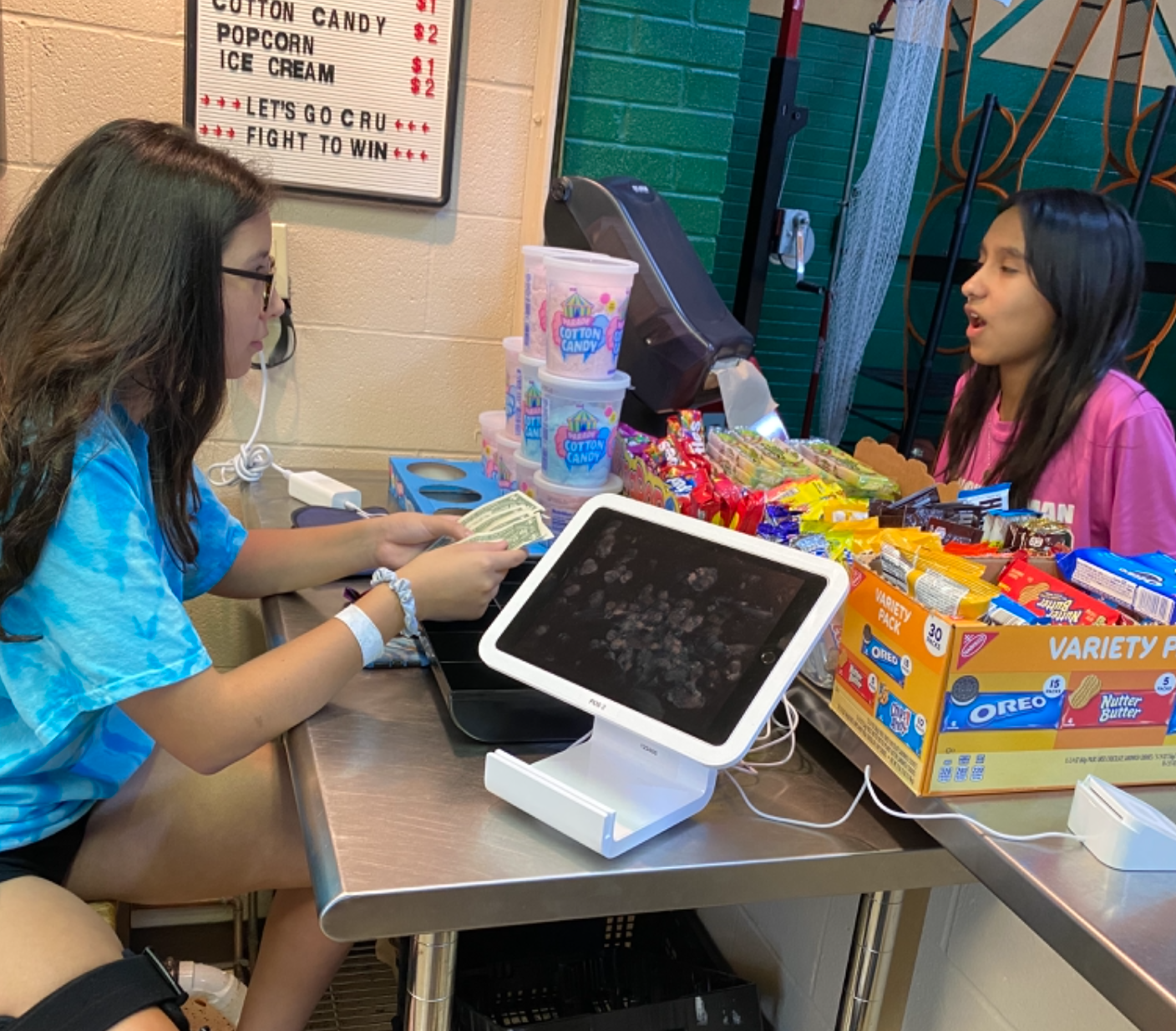
With all opportunities visible in a single platform and logging simplified for students, participation from both students and parents has increased. Making opportunities easy to find and easy to complete has helped strengthen overall involvement in service initiatives across the school community.
A Better Experience for Students
For students, the biggest difference is simplicity.
The friction of paper forms, signatures, and manual hour tracking has largely disappeared. What used to feel like a chore is now a straightforward digital process that students can complete quickly and confidently.
Significant Time Savings for Staff
From the staff perspective, the time savings have been substantial.
Reports that once required manual compilation and cross-checking can now be generated in just a few clicks. Centralization has reduced administrative burden and allowed staff to focus more on supporting students and less on managing data.
Seamless Access with Google Single Sign-On
Integration with Google through Single Sign-On (SSO) has also improved the experience for everyone involved.
For IT teams, it eliminates the need to manage a separate set of credentials. For students and staff, it creates a seamless login experience that “just works.” Setup was straightforward, and the long-term benefit has been a more frictionless entry point into the platform.
Automated Data Flow with SFTP Integration
Another major improvement came through SFTP integration with the school’s student information system.
Before Helper Helper, maintaining accurate data required ongoing manual spreadsheet uploads and maintenance. Now, SIS integration runs in the background—once configured, it becomes a “set it and forget it” process.
Student roster data stays current automatically, reducing manual work and ensuring consistency across systems.
A Platform That Met Every Requirement
When evaluating platforms, Bishop Gorman High School considered multiple options, but at the time, Helper Helper was the only solution that met all their requirements.
That confidence has held strong since implementation. As they shared, they haven’t looked back.
Final Thoughts
For Bishop Gorman, the shift to Helper Helper has gone far beyond digitizing service tracking. It has simplified operations, improved engagement, and created a smoother experience for students, parents, and staff alike.
What was once a fragmented, manual process is now a connected system that supports the school’s mission of meaningful community engagement.