
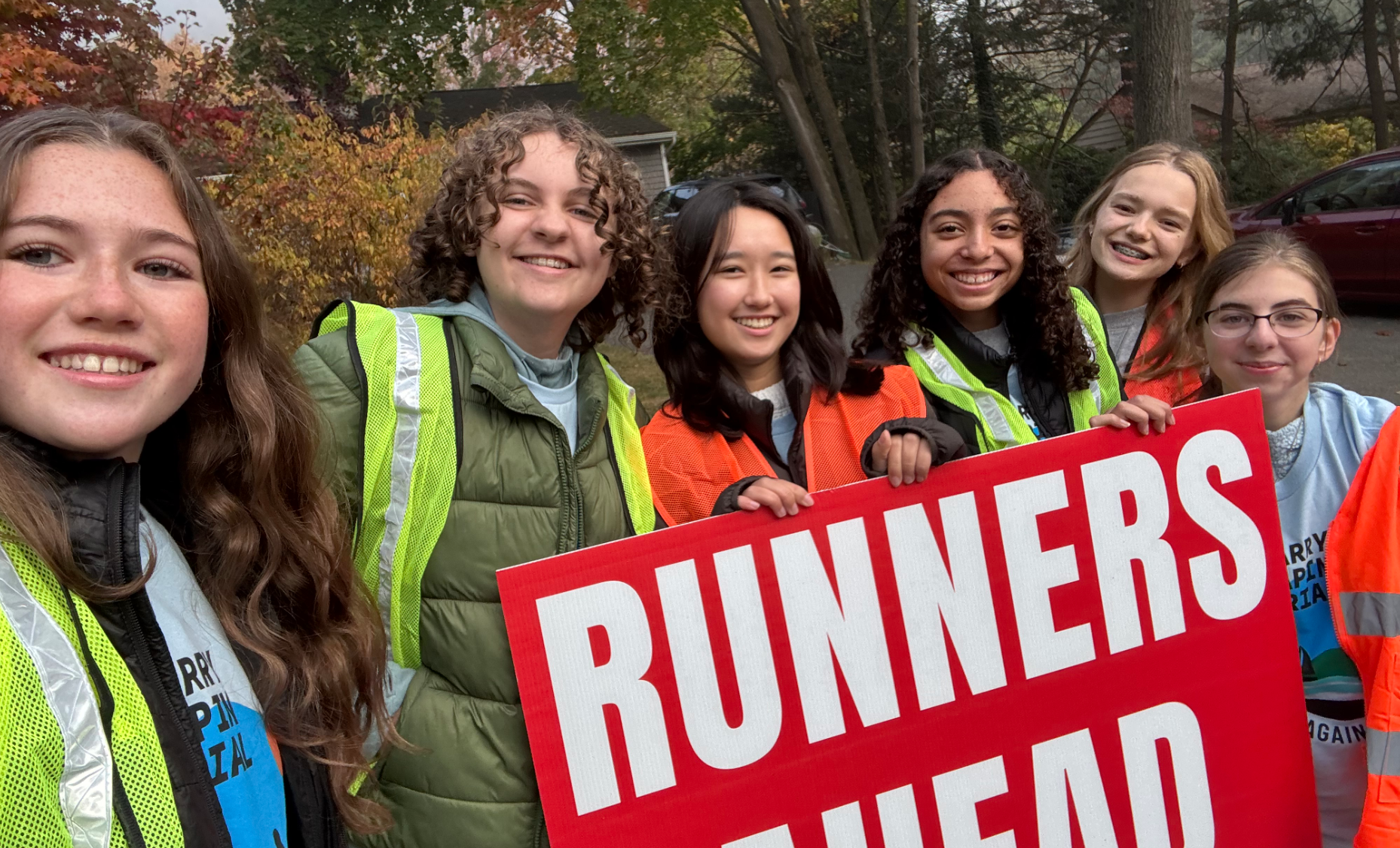
At Croton-Harmon High School, community service isn’t an afterthought, it’s woven into the fabric of student life.
With a required 25 hours for graduation (set by the local Board of Education), 40 hours for National Honor Society eligibility, and many students going far beyond those benchmarks, volunteerism plays a meaningful role in how students grow, lead, and prepare for what’s next.
And since 2021, Helper Helper has helped the school turn that culture of service into something measurable, visible, and sustainable now surpassing 40,000+ logged hours.
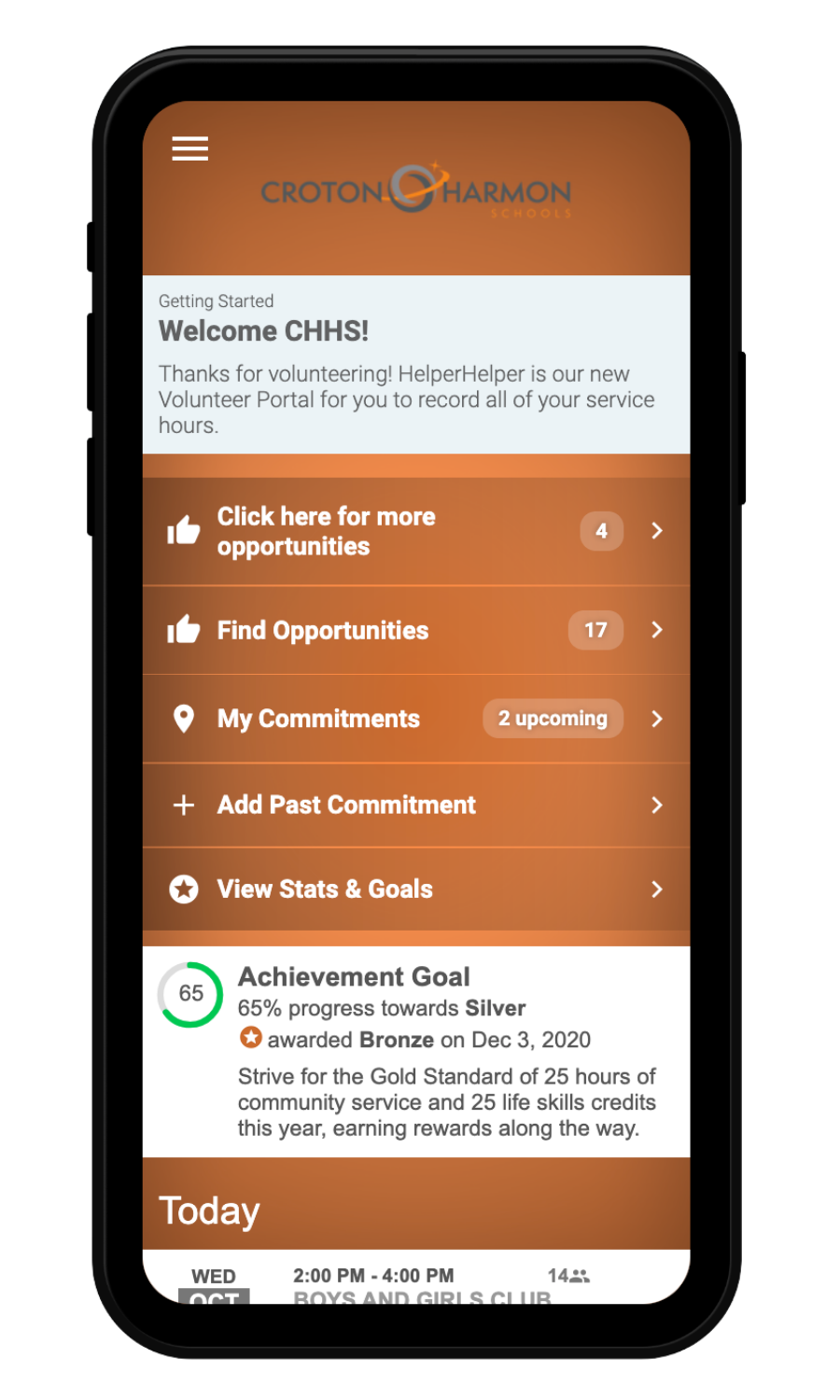
From Paper Binders to Powerful Insights
Before going digital, tracking service was exactly what you’d imagine: paper forms and thick binders for each graduating class. The challenges were real:
-
No easy way to run reports
-
No clear summary of the types of service students were completing
-
Volunteer recruitment relied heavily on word of mouth and announcements
-
Students who went above and beyond had no meaningful way to showcase hundreds of hours of commitment
For a school with robust service expectations and students applying for scholarships and honors this made it difficult to see the full picture. When Croton-Harmon transitioned to Helper Helper, the goals were clear:
-
Improve reporting and data visibility
-
Make it easier for students to find volunteer opportunities
-
Strengthen connections between students and community members
-
Encourage deeper, sustained engagement in volunteerism
The shift wasn’t just about convenience. It was about creating opportunity.
Why 40,000+ Hours Happened
Crossing 40,000 logged service hours didn’t happen by accident.
According to Assistant Principal and Director of K–12 School Counseling Mark Maxam, community service is self-reinforcing. When students have positive experiences, they come back for more.
At Croton-Harmon, students are encouraged to:
-
Build relationships with organizations and mentors
-
Develop long-term commitments
-
Reflect on experiences they can share in college and job applications
The school reinforces this culture intentionally. Students who log more than 100 hours are recognized during the annual schoolwide awards ceremony, a milestone that publicly celebrates commitment and impact.
Recognition matters. Visibility matters. And students respond to both.
Another key factor? Access.
Helper Helper allows students to connect directly with community members hosting volunteer opportunities. Students know to check the app regularly. When new opportunities are posted, the school sends reminders encouraging students to sign up.
The easier it is to engage, the more students participate.
Data That Drives Recognition and Guidance
One of the most impactful changes has been the ability to run detailed reports.
Now, the counseling team and school committees can:
-
Monitor overall engagement trends
-
See what types of service students are pursuing
-
Guide students toward opportunities aligned with their interests
-
Identify top volunteers for recognition
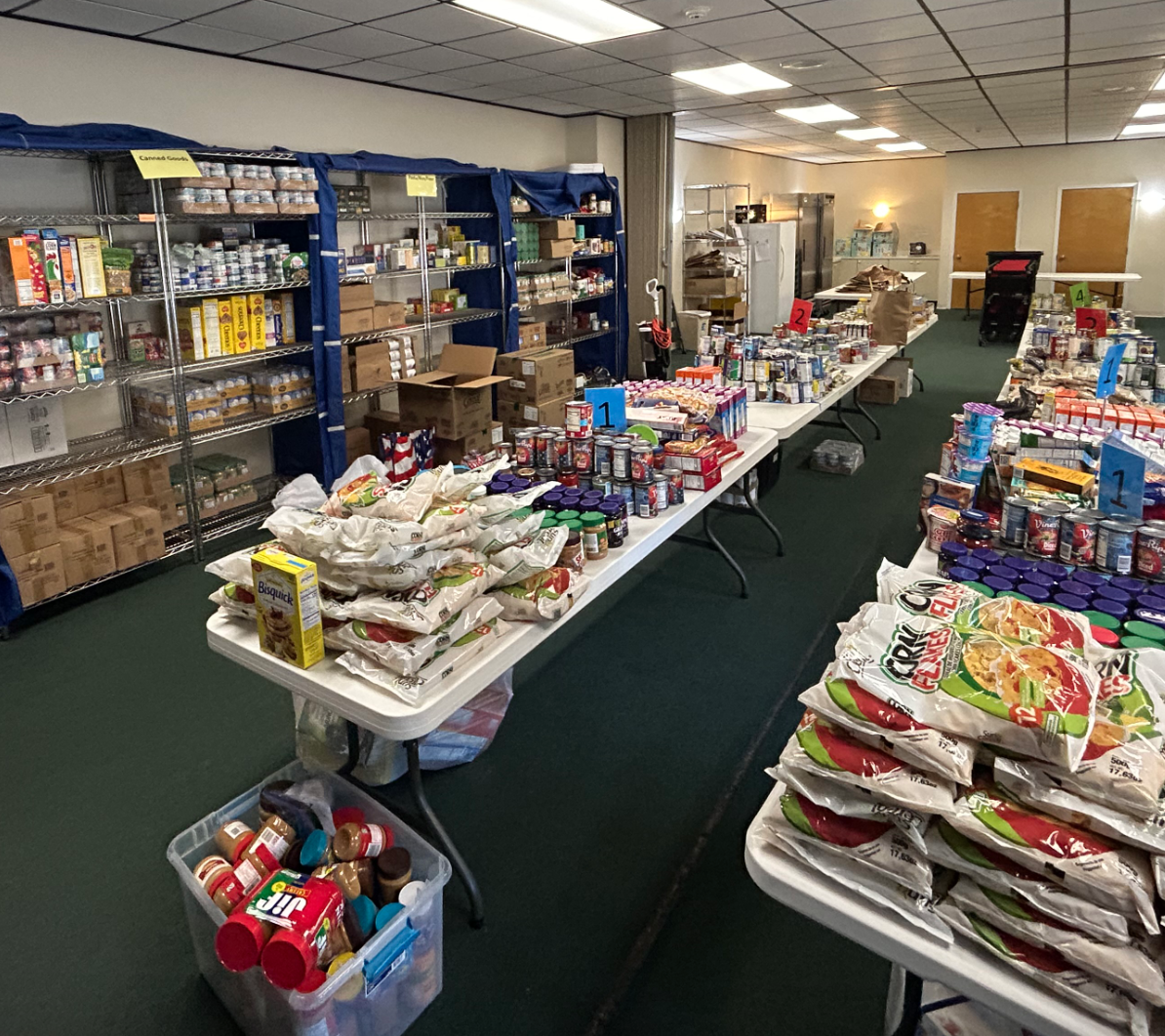
Service data also plays a meaningful role in scholarship consideration and letters of recommendation. When counselors can clearly see a student’s dedication not just minimum hours, but sustained commitment it strengthens the story they can tell about that student.
More Than a Requirement
At Croton-Harmon, service begins as a graduation requirement. But for many students, it becomes something much more. The systems are strong. The expectations are clear. But what truly sustains the culture is simple. The little recognitions go a long way.
When students see that their volunteerism is noticed, celebrated, and valued, they understand that service isn’t just a box to check. It’s part of who they are becoming and part of the legacy they leave behind. And with over 40,000 hours logged and counting, that legacy is only growing.